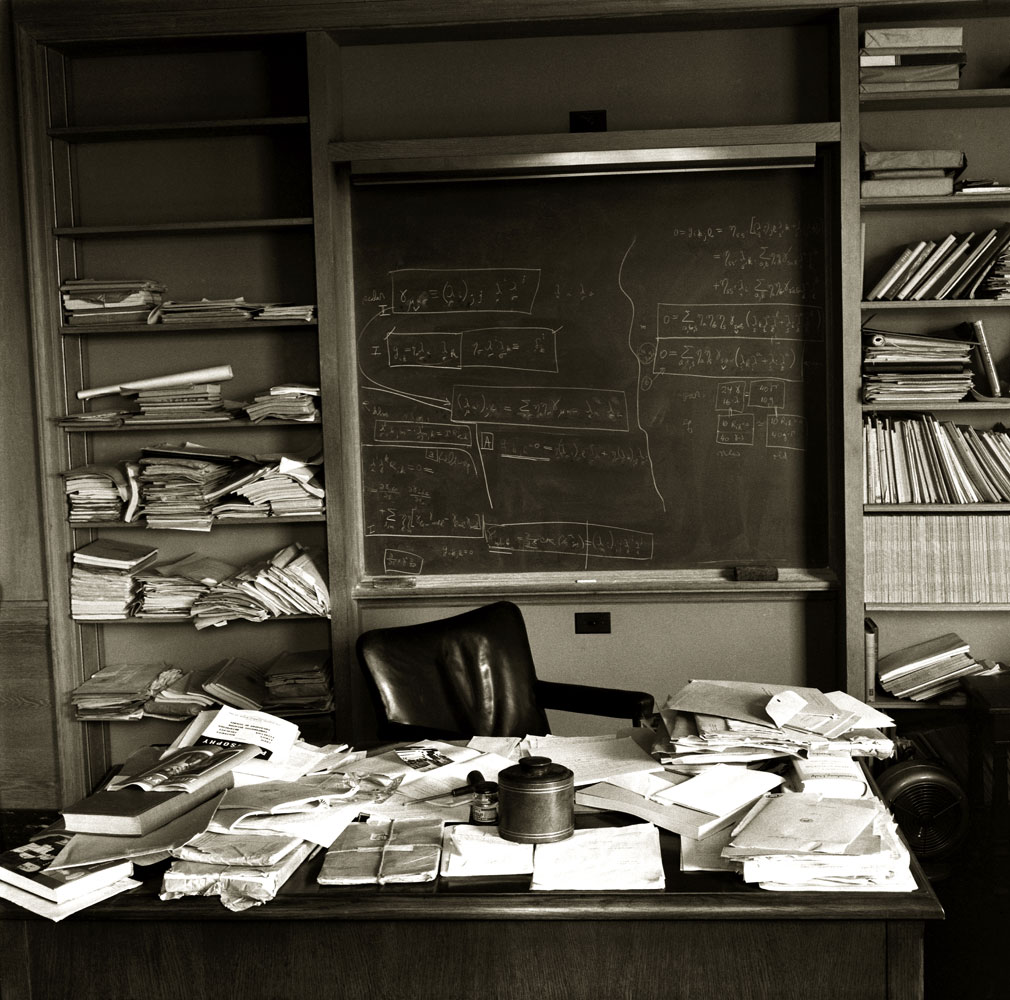
root / weblog / my-math-setup
My math setup
| as a software engineer
---
It’s October 27th 2025, I’m supposed to study for the multivariable calculus exam I’ll take on October 30th, but instead I’m here procrastinating and writing about the tools I use instead.
The web is full of pictures, forums, and subreddits about coding/digital workspaces, see r/Workspaces, r/homeoffice, r/setups, r/macsetups, r/battlestations, query youtube for “desk setup”.
But I am interested in mathematicians’ setups, and I can’t find many online. I suppose mathematicians have a computer as well, but their setup must look very different from programmers’ setup.
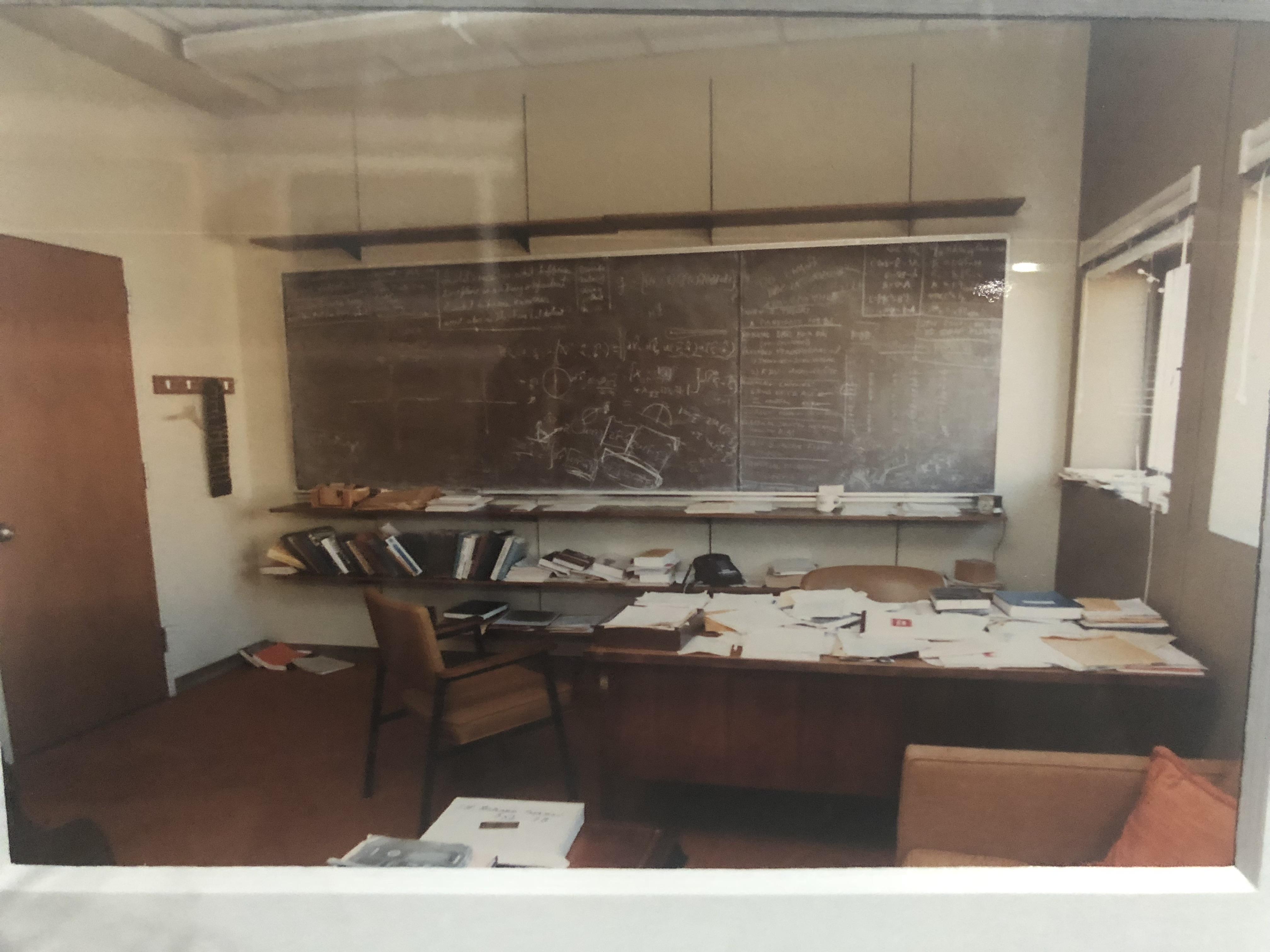
r/privatestudyroom is the closest thing I’ve found. But, unlike programmers, they don’t tend to explain the functionality of the elements of the setup.
So here I am, sharing my setup for doing math, to fuel functional math workspaces showcasing practice.
Being a software engineer I’m much more comfortable with computer programming in the raw “hacking” sense compared to math. But math is beautiful and necessary. Whenever I think anything like the opposite, I am just being lazy. It’s not about the computations, it’s about the intuition.
Here’s what works for me for studying mathematics as a software engineer.
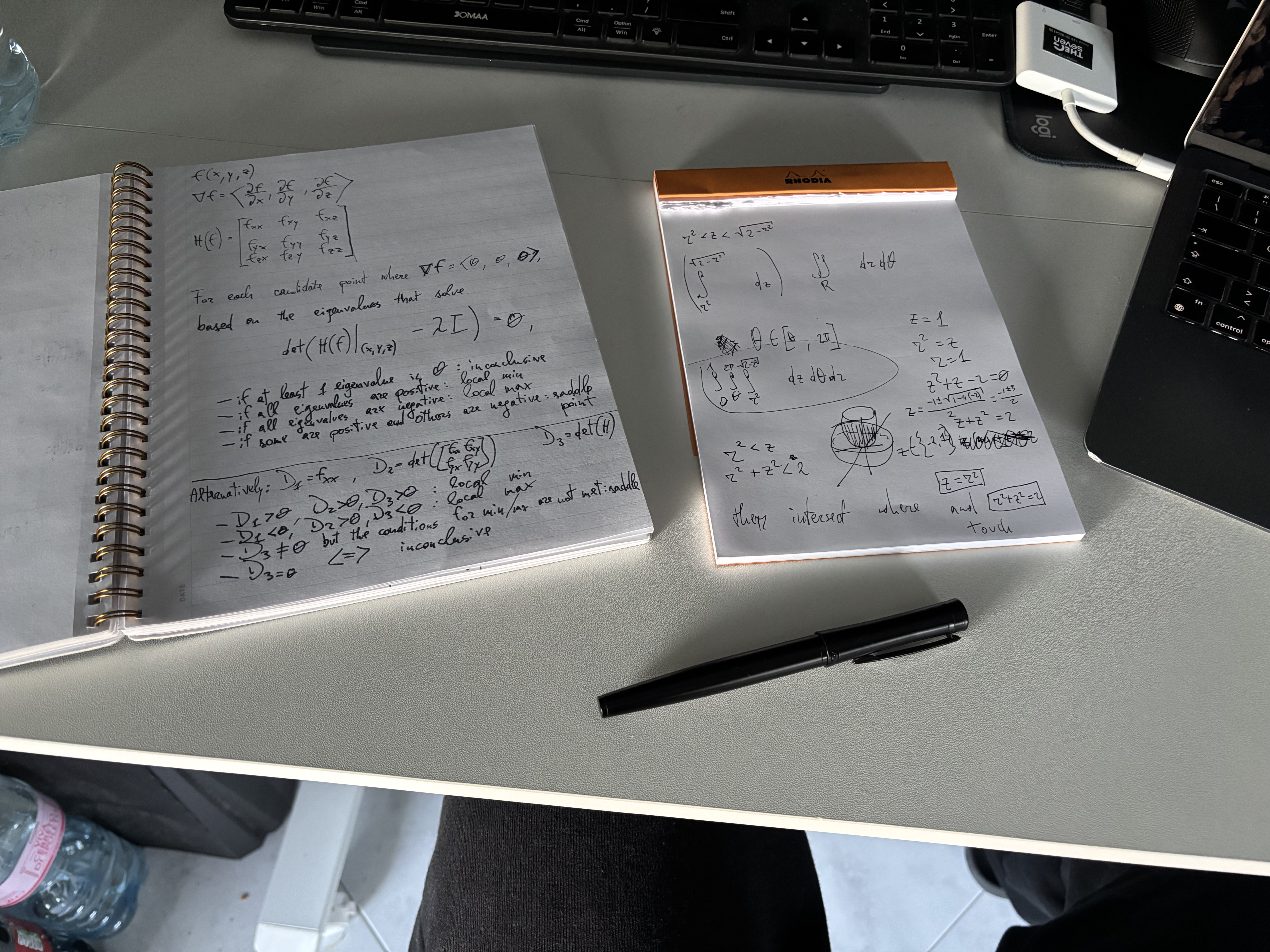
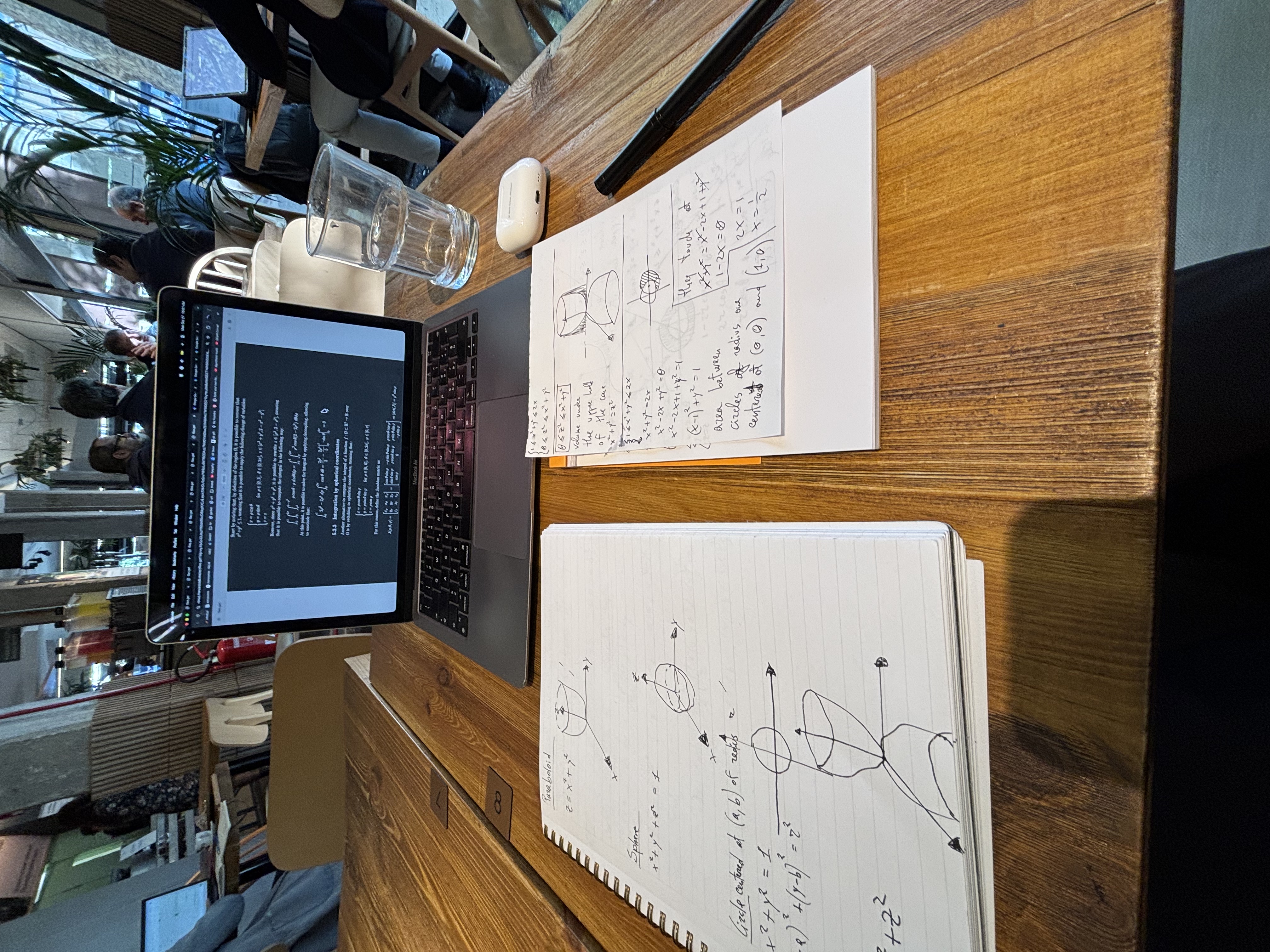
I like to use 2 notebooks:
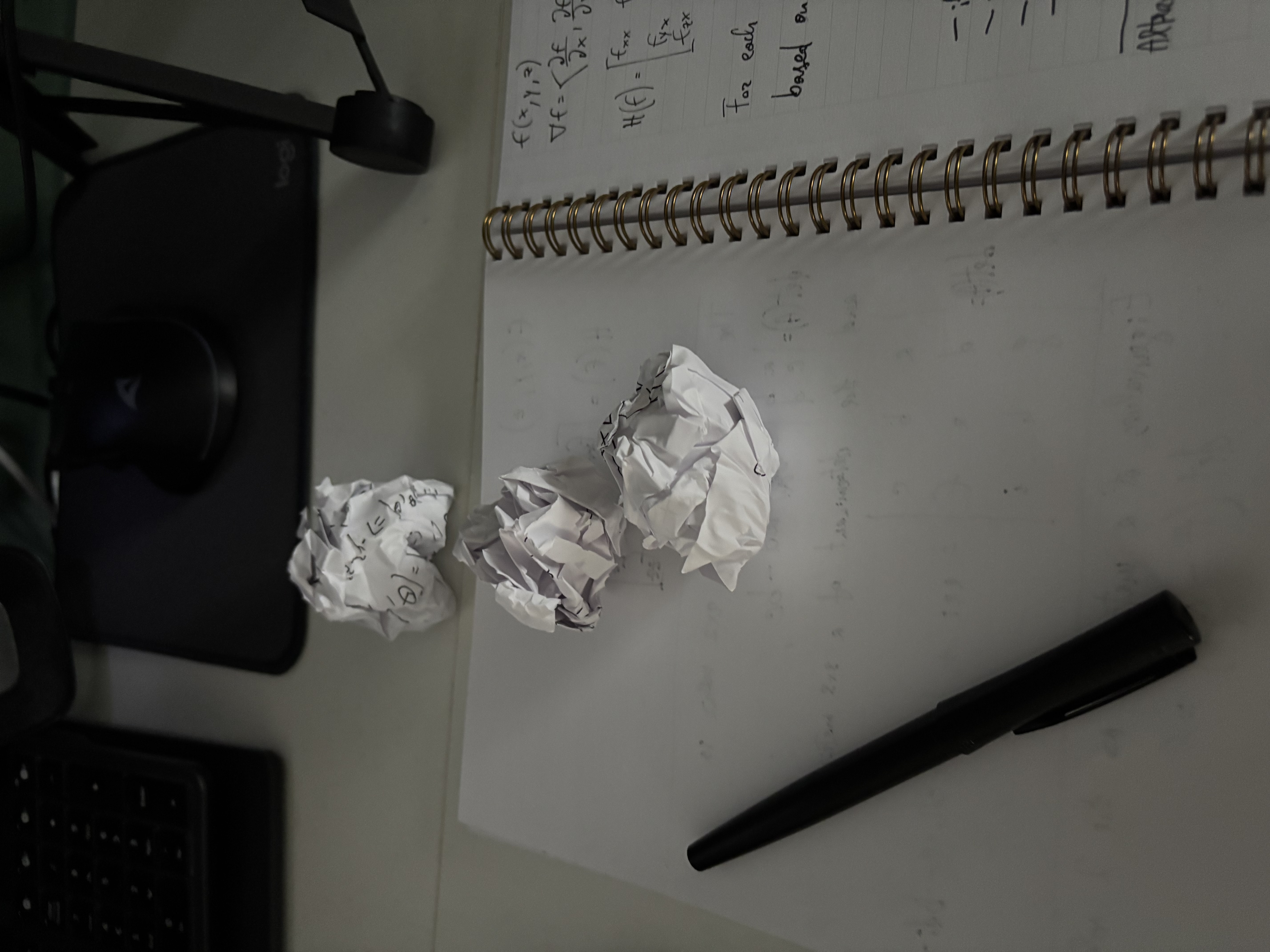
I always throw away the paper after I’m done with the exercises. I like to think that I should be able to figure everything out again just based on the knowledge on my “textbook” and the intuition I built by solving that exercise in the first place.
So I can cut off the noise and focus even when working from coffee shops.
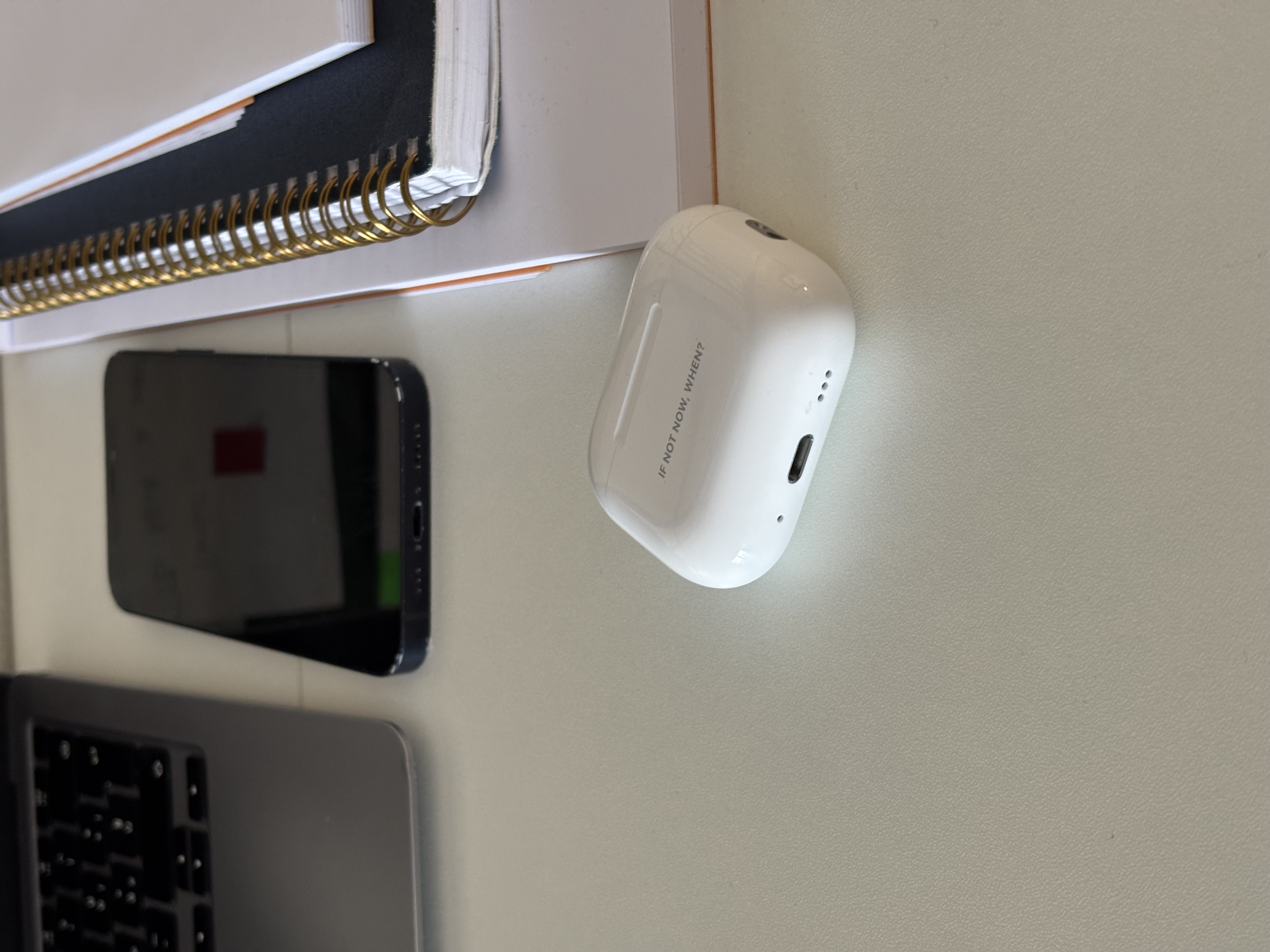
Math is hard. When I don’t sleep well I can’t learn anything. When I sleep well, everything makes much more sense and it’s much more blissful. Whoop helps me build intuition for what negatively impacts my sleep and what positively impacts it, so I naturally end up doing less of the former, more of the latter, sleep better, understand more math.

Which makes the process much more enjoyable, and therefore makes me want to do more of it.

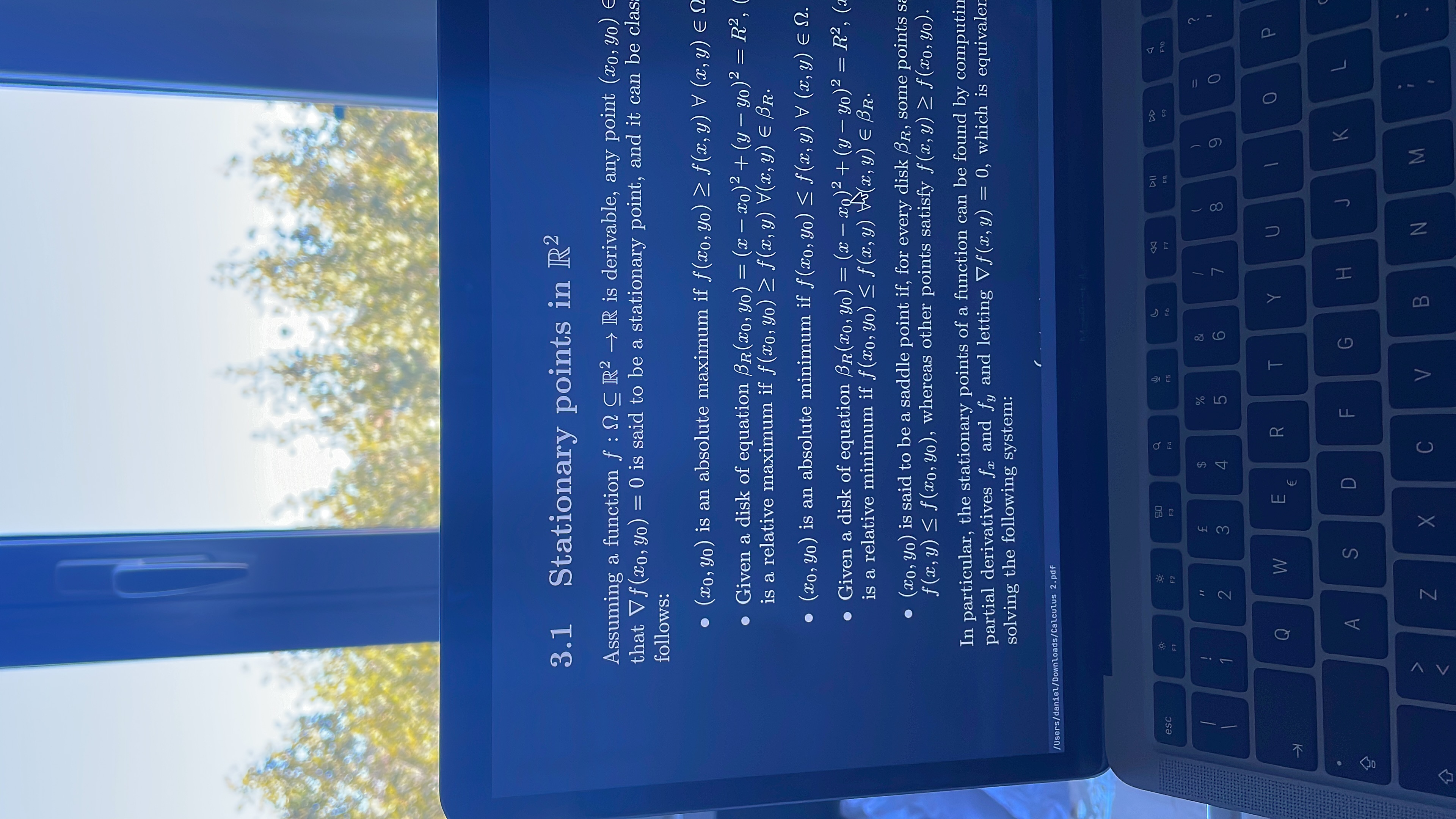
Because dark PDFs look so cool, and it allows me to use my own theme for the dark mode.
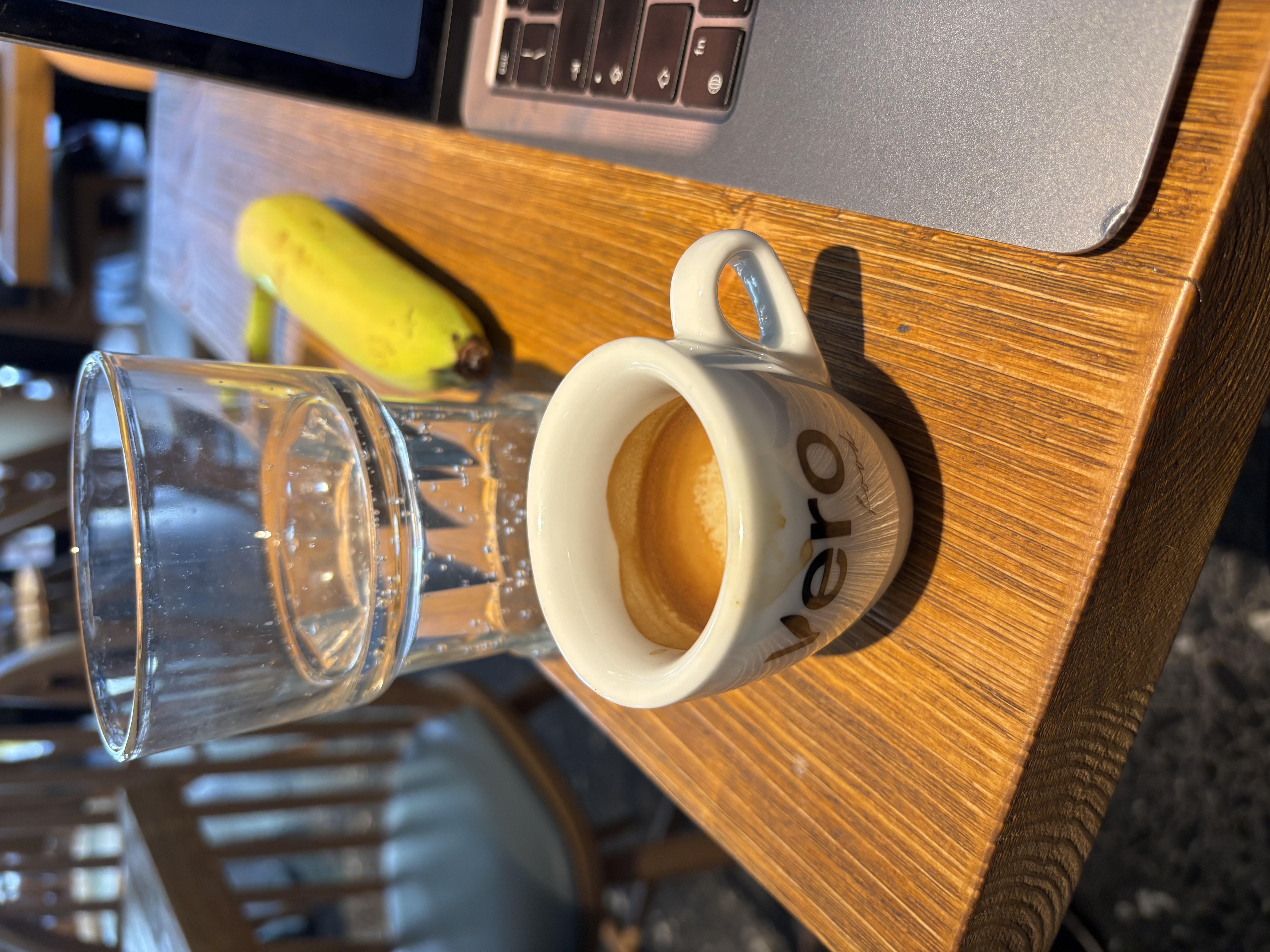
Honorable mentions.
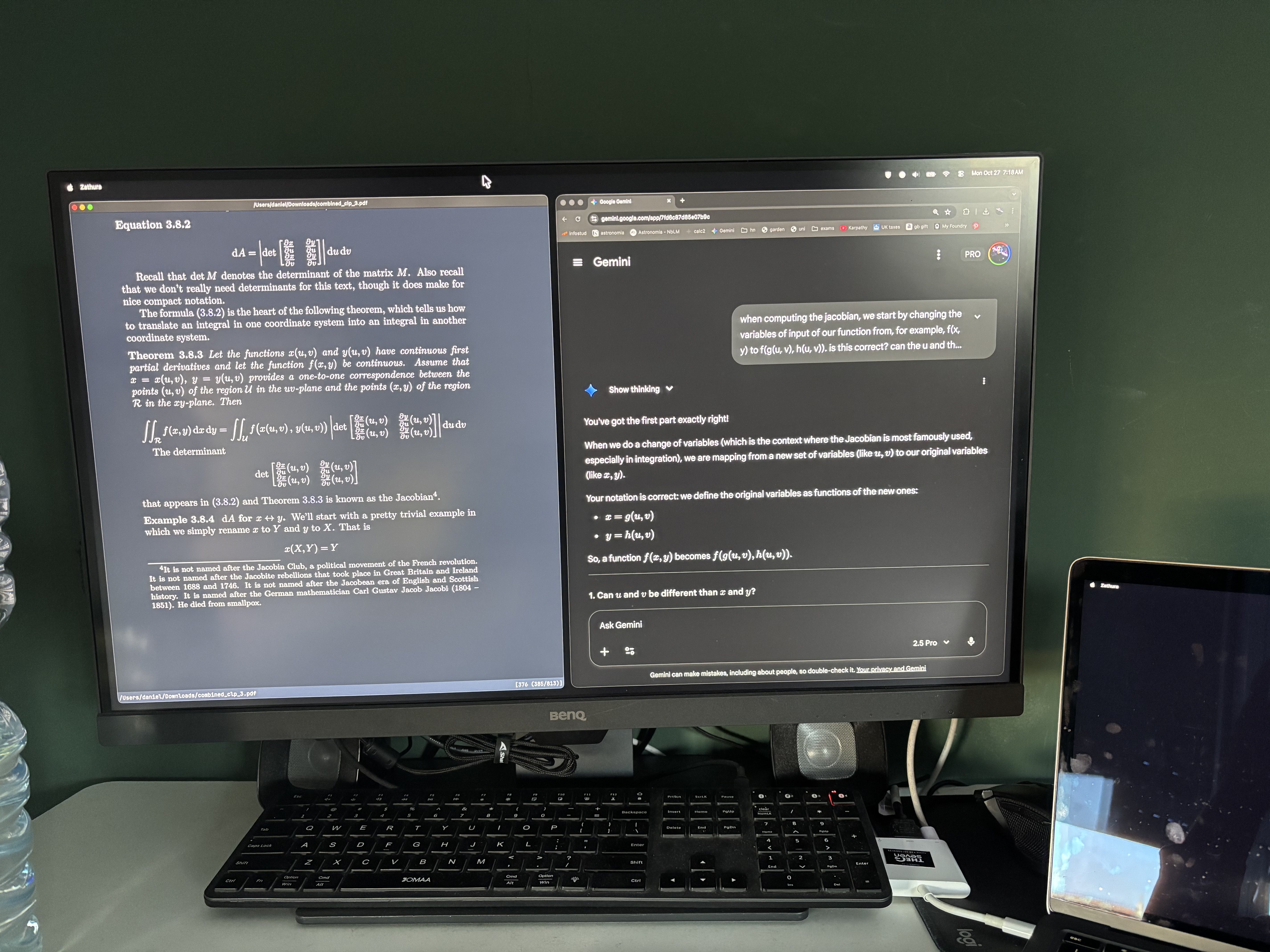
To solve doubts, check my intuition, clarify and rephrase ideas.
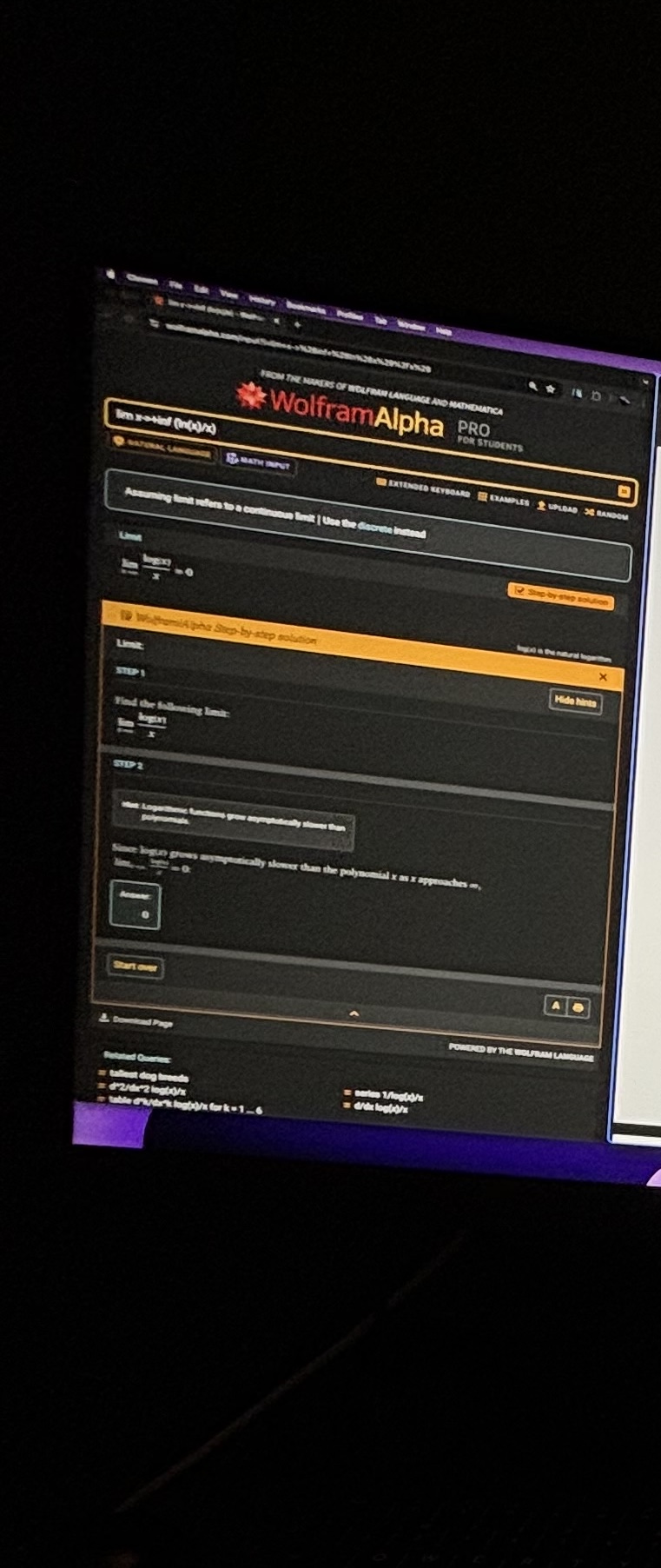
To check that LLMs didn’t spit complete bullshit.
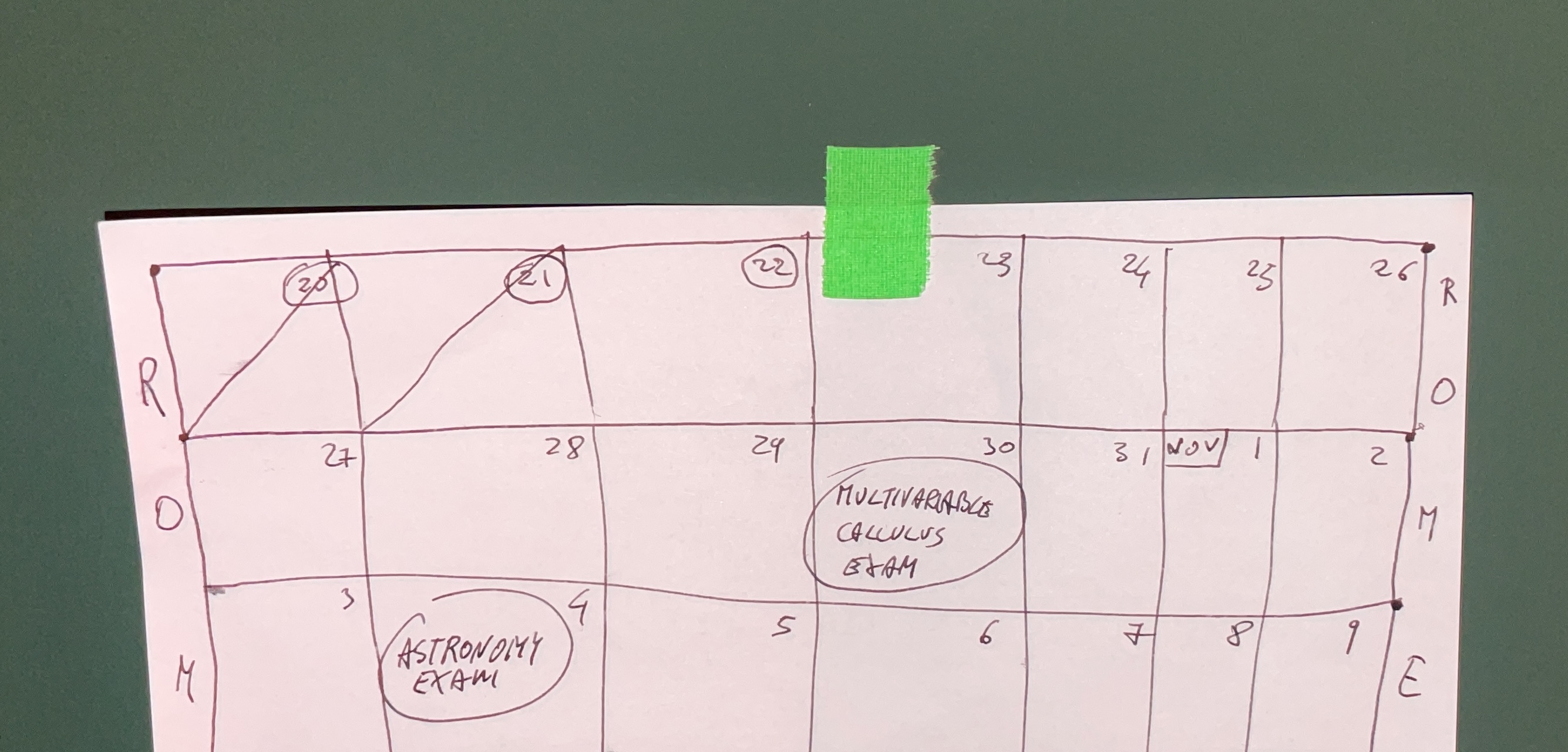
While I’ve learned a lot of computer science on my own without any deadline or without pursuing any goal, I can’t say the same about math. Most of the math I’ve learned came from university requirements or things I needed to understand in order for software to work.
So, empirically, having deadlines and commitments helps me with math.
When it comes to university deadlines, I like to handwrite my calendar and cross every day off before going to sleep, more than digital calendar.
For someone, for something, for life, for an idea, whatever works for you. Nobody talks about this when talking about effectiveness as knowledge workers, but this enhances focus more than anything else.
---
That’s it, this works for me: it both makes the journey enjoyable as well as efficient and effective. How do you do math? Let me know at hello at danielfalbo dot com.
---
Influences:
_ Doing well in your undergraduate courses by Karpathy
_ How To Self-Study Math by The Math Sorcerer
---